
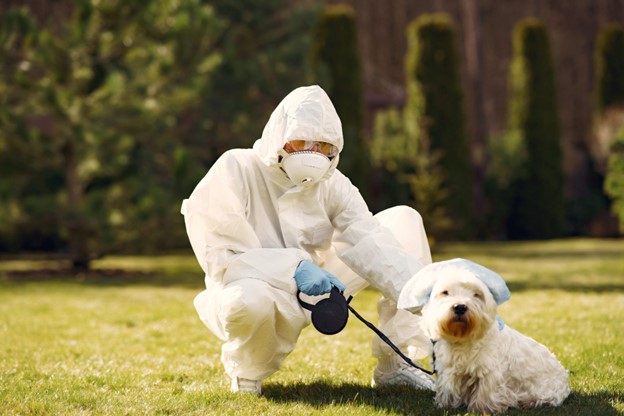
Keeping pests out of your home is a big deal—especially in the U.S., where seasonal changes and humidity invite all kinds of bugs and rodents. From ants in the kitchen to fleas on the couch, pest problems can sneak in quickly and cause real stress. That’s why pest control is a must for most American households. But here’s the catch: many popular pest control products are loaded with harsh chemicals that can harm your pets.
If you have dogs, cats, birds, or even small animals like hamsters or rabbits, using traditional sprays and poisons can put their health at serious risk. Pets often walk across treated floors, lick surfaces, or chew on objects that may carry pesticide residue. That’s a scary thought for any loving pet owner.
The good news? You don’t have to choose between a pest-free home and your pet’s safety. Pet friendly pest control is now widely available and just as effective when used the right way. Whether you want natural solutions, professional treatments, or store-bought pet-safe products, there are safer ways to protect your home and your furry family members. In this guide, we’ll explore how to keep your home pest-free without ever putting your pets in harm’s way.
Why Pet Friendly Pest Control Matters
Choosing pet friendly pest control isn’t just a trendy option—it’s a responsible and essential step for any pet owner. While pest control is necessary to protect your home and health, using the wrong methods can put your pets in serious danger.
Dogs, cats, birds, and even smaller animals like guinea pigs or rabbits can all be affected by toxic substances found in many traditional pest treatments. That’s why it’s so important to understand the risks and your responsibilities as a pet owner.
Hidden Dangers in Traditional Pesticides
Most conventional pesticides contain harsh chemicals designed to kill pests fast. Unfortunately, these chemicals don’t just harm bugs—they can also harm your pets. Animals are naturally curious. They sniff, lick, roll on the floor, or chew things without hesitation. When pesticides are sprayed or spread on surfaces like floors, carpets, or grass, pets can easily absorb or ingest the toxins.
Common ingredients like permethrin, pyrethroids, and organophosphates are especially dangerous. Exposure can cause symptoms such as drooling, vomiting, difficulty breathing, tremors, seizures, or even long-term organ damage. Small pets, senior animals, and those with pre-existing health conditions are particularly at risk, as their bodies are less able to handle chemical exposure.
And the danger isn’t just immediate. Some pesticides leave behind residues that can linger for days or weeks, putting your pet at constant risk. Long-term exposure—even at low levels—may lead to issues like liver damage, behavioral changes, or cancer in some animals.
Legal and Ethical Considerations
In the United States, pest control products are regulated by the Environmental Protection Agency (EPA). The EPA provides clear safety guidelines on using pesticides around pets, including label instructions and re-entry times. However, not all products are created with animals in mind. Many still carry warnings that say “Keep pets away,” and failing to follow these directions can result in accidental poisoning.
As a responsible pet owner, it’s also important to be aware of local laws regarding pesticide use. Some U.S. cities and states have regulations that limit or ban certain chemicals due to their environmental or health risks—including the effects on domestic animals. Violating these laws, even unknowingly, can result in fines or legal trouble.
Ethically, your pet depends on you for safety and care. Using a harmful product out of convenience is never worth the risk. By choosing pet safe pest control, you’re not only protecting your home—you’re also respecting the life and health of your loyal companion.
Natural Pest Control Methods That Are Safe for Pets

When it comes to protecting your pets and getting rid of pests, natural pest control methods are often the safest and most effective option. Unlike chemical treatments, natural solutions rely on ingredients that are non-toxic to animals but still effective against bugs like fleas, ants, and roaches.
Many of these options are affordable, easy to use, and readily available in U.S. stores or online. Let’s look at two of the most popular pet friendly methods: essential oils and natural powders.
Essential Oils and Plant-Based Repellents
Nature provides its own powerful pest control in the form of essential oils. Oils like peppermint, citronella, lemongrass, and rosemary have been used for centuries to repel insects. They work by masking the scents that attract pests or by directly irritating their nervous systems.
For example, peppermint oil is excellent for repelling ants, spiders, and even mice. Citronella keeps mosquitoes and flying insects away, while rosemary oil is often used to deter fleas and ticks.
However, not all essential oils are automatically safe for pets. Some oils, like tea tree or clove, can be toxic in high concentrations. To use these oils safely:
- Always dilute essential oils in water or a carrier oil like coconut oil before spraying or applying.
- Avoid spraying directly on your pet’s fur or skin unless the product is specially formulated and labeled for animals.
- Use in well-ventilated areas and limit use around birds, as they have very sensitive respiratory systems.
- Spray oils along baseboards, windows, pet-free corners, or directly on bedding after testing a small area.
Look for plant-based pest repellents made specifically for homes with pets. Brands like Wondercide and Vet’s Best make sprays that are EPA-approved and designed to be safe around animals.
Diatomaceous Earth and Baking Soda
Another natural method that’s gaining popularity in American homes is the use of diatomaceous earth (DE) and baking soda. These non-toxic powders are simple yet powerful pest control tools.
Diatomaceous earth is made from fossilized algae. It may look like a soft powder, but under a microscope, it’s sharp and jagged—lethal to insects but safe for humans and pets when used correctly. When bugs like fleas or roaches crawl over DE, it cuts into their exoskeletons and dries them out, killing them naturally over time.
Baking soda, on the other hand, works by dehydrating and killing pests like ants and roaches when they ingest it. You can sprinkle it near entry points or mix it with sugar to lure pests.
To safely use these powders around pets:
- Use only food-grade diatomaceous earth, not the kind used for pool filters.
- Lightly dust the powder in cracks, under furniture, and along walls—not in areas your pets frequently lick or lie down.
- Avoid inhalation. While DE is not poisonous, it’s fine dust can irritate the lungs of both humans and animals. Always apply in a controlled manner and avoid spreading it in drafty or windy areas.
Professional Pest Control Services That Are Pet Friendly

Sometimes, natural DIY methods just aren’t enough. If you’re dealing with a serious infestation—like bed bugs, termites, or a large-scale rodent problem—calling in a professional pest control company may be the best option. But as a pet owner, you can’t just hire any exterminator. You need someone who uses pet safe pest control methods and understands how to protect your furry family members during treatment.
How to Choose a Pet Safe Exterminator
Not all pest control companies are created equal. Some still rely on outdated chemicals that can harm pets, while others offer eco-friendly and non-toxic alternatives. Before you hire anyone, do your research and ask the right questions.
Here are a few important questions to ask before hiring:
- Do you offer pet friendly pest control solutions?
- What chemicals or methods will be used?
- How long will my pets need to stay away from treated areas?
- Are your treatments approved by the Environmental Protection Agency (EPA)?
Also, look for certifications that prove the company follows high safety standards. Trustworthy pest control providers often hold credentials from:
- NPMA (National Pest Management Association) – ensures professional standards and safety.
- EcoWise Certified – focuses on eco-friendly and pet safe pest management.
- GreenPro Certification – indicates that a company uses reduced-risk pesticides and follows strict safety protocols.
A reliable pest control expert will be transparent about their methods and will always prioritize the safety of your pets.
Safe Preparation Before a Professional Treatment
Once you’ve chosen a reputable, pet-conscious exterminator, it’s time to get your home ready for treatment. Proper preparation can reduce the risk of exposure to your pets and help ensure the treatment is effective.
Before the treatment:
- Remove your pets from the home if advised, or confine them to a designated untreated room.
- Cover or remove pet food, bowls, toys, bedding, and litter boxes.
- Inform the technician about your pets and their usual living areas.
During the treatment:
- Make sure your pets are securely out of the treatment zone.
- Keep them away from vents, cracks, or open areas where chemicals may be applied.
After the treatment:
- Follow the technician’s instructions on when it’s safe to let pets back into the treated area.
- Mop or wipe down any treated surfaces pets may walk or lay on, unless told otherwise.
- Wash any pet bedding or items that were exposed, even if unintentionally.
Re-entry times vary based on the products used. Some natural or low-toxicity treatments allow pets to return within 1–2 hours, while others may require 4–6 hours or more. Always err on the side of caution and follow directions carefully.
By partnering with the right pest control service and preparing your home properly, you can handle infestations without compromising your pet’s health. Peace of mind and safety go hand-in-hand when it comes to pet friendly pest control
Best Pet Friendly Pest Control Products Available in the USA
The U.S. market now offers a wide variety of pet friendly pest control products that help you keep your home pest-free without putting your furry companions at risk. Whether you’re dealing with ants, fleas, ticks, or roaches, there are sprays, traps, and repellents that are both effective and safe for use around pets. These products are typically made from natural ingredients, are non-toxic, and are often approved by the EPA for household use. Let’s explore some of the top-rated options.
Top Recommended Sprays, Traps, and Deterrents
If you’re looking for sprays, many brands now offer plant-based formulas that kill and repel pests without harmful side effects. These sprays can be used on surfaces, pet bedding, or even directly on your pet—if the product is labeled for that use.
For example:
- Wondercide Flea & Tick Spray – Made with essential oils like cedarwood and lemongrass, this spray is safe for dogs and cats and works great for indoor and outdoor pest control.
- Vet’s Best Flea & Tick Home Spray – Combines peppermint oil and clove extract to kill fleas, flea eggs, and ticks on contact. It’s gentle enough for use around pets and children.
When it comes to traps and baits, choose carefully. Avoid anything with poison or glue that could harm curious pets. Instead, opt for:
- Catchmaster Baited Insect Traps – These sticky traps are pesticide-free and perfect for catching roaches, spiders, and ants without using toxic chemicals.
- Terro Pet Safe Ant Bait Stations – Some Terro products are labeled for safe use in pet environments, offering effective ant control without harmful exposure.
For deterrents like sprays and granules:
- Eco Defense Pest Control Spray – This all-natural spray repels a wide range of pests including roaches, ants, spiders, and more. It’s non-toxic and safe around pets and kids.
- MDX Concepts Organic Home Pest Control Spray – Made from vinegar and essential oils, this product helps keep bugs out without affecting indoor air quality or pet health.
Brands Known for Pet Safety
Several U.S.-based brands have built strong reputations for delivering safe pest control solutions for pet owners. When shopping, look for the following trusted names:
- Wondercide – Widely praised for its natural, pet-safe line of flea and tick sprays, yard treatments, and household insect repellents.
- Vet’s Best – Offers a variety of plant-based sprays and wipes that are veterinarian-formulated and designed for pet households.
- Eco Defense – Focuses on non-toxic, chemical-free pest control that works well in homes with pets and children.
- MDX Concepts – Specializes in eco-friendly pest sprays made from household-safe ingredients like vinegar and natural oils.
Always double-check product labels for safety instructions and usage guidelines. Even natural ingredients can cause irritation if misused, so follow directions carefully and test a small area before full application.
Integrated Pest Management (IPM) for Pet Owners

One of the safest and most effective ways to control pests while keeping your pets protected is through Integrated Pest Management (IPM). This approach focuses on long-term prevention rather than constant chemical treatments.
IPM is widely recommended by environmental agencies in the U.S., including the Environmental Protection Agency (EPA), and it’s especially beneficial for homes with pets. It reduces the need for toxic products while still keeping your home pest-free.
Explanation of IPM Strategy
Integrated Pest Management is a smart, step-by-step process that combines several strategies to control pests. The goal is to target the root cause of infestations instead of just treating the symptoms. IPM focuses on understanding the pest’s behavior, identifying how they’re entering your home, and eliminating the conditions that allow them to thrive.
Unlike traditional pest control that often relies heavily on sprays and baits, IPM uses a combination of:
- Monitoring for signs of pests
- Blocking entry points
- Maintaining cleanliness
- Using natural or low-risk treatments only when necessary
This strategy is ideal for pet owners because it minimizes the use of chemicals that could harm your furry friends.
Why Prevention Is Better Than Cure
When it comes to pests—and especially when you have pets at home—prevention is always better than cure. Preventing an infestation means you won’t need to resort to strong chemicals or emergency treatments that can put pets at risk.
By following IPM practices, you can catch small pest issues before they turn into big problems. This not only protects your pets from exposure to harmful substances, but also saves you time, stress, and money in the long run.
Examples of IPM Techniques
Here are some easy and effective IPM methods you can start using today to make your home safer for pets and less attractive to pests:
- Sealing Cracks and Entry Points
Use caulk, weather stripping, or mesh to block tiny gaps in doors, windows, pipes, and walls where pests can enter your home. This reduces the chances of ants, roaches, or rodents sneaking in unnoticed. - Proper Food Storage
Keep all food—including pet food—in tightly sealed containers. Don’t leave pet bowls out overnight, and clean up spills immediately. Insects and rodents are drawn to leftover food and crumbs, especially in kitchens and feeding areas. - Routine Yard Maintenance
Trim shrubs and grass regularly, remove standing water, and keep firewood or mulch piles away from the home. These areas can harbor mosquitoes, ticks, and rodents. Use pet friendly yard treatments if needed to maintain safety. - Regular Cleaning and Decluttering
Clean pet bedding, vacuum regularly, and remove clutter from garages or basements where pests may hide. A clean home is a less welcoming place for bugs and rodents to settle.
By applying these IPM techniques, you create a healthier, safer space for both your pets and your family. Integrated Pest Management empowers you to control pests effectively without putting your beloved animals in harm’s way.
Common Pests and Pet Safe Control Tips

No matter where you live in the U.S., pests can make their way into your home—especially if you have pets. In fact, pets can unintentionally bring in pests like fleas or attract ants and rodents through their food bowls and bedding. The challenge is dealing with these pests without harming your furry friends. Below are some of the most common household pests and how to control them using pet safe methods.
Fleas and Ticks
Fleas and ticks are among the most irritating pests for both pets and their owners. They hide in carpets, pet bedding, and even lawn grass, causing itching, infections, and in some cases, serious diseases like Lyme or tapeworms.
Safe control methods include:
- Flea traps: Light-based flea traps attract and catch fleas without chemicals.
- Natural sprays: Use sprays made from essential oils like rosemary, cedarwood, or neem. Products from brands like Wondercide or Vet’s Best are formulated for use on dogs, cats, and around the home.
- Regular grooming: Comb your pets with a flea comb, bathe them using pet-safe flea shampoos, and wash their bedding weekly.
Avoid using over-the-counter flea bombs or foggers unless clearly marked as safe for pets. These products often contain strong insecticides that can cause respiratory issues, skin reactions, or worse if pets are exposed.
Ants and Roaches
Ants and roaches are common in kitchens and bathrooms, often drawn to pet food and water dishes. These pests are persistent, but you can get rid of them without resorting to toxic sprays.
Pet safe control tips include:
- Vinegar solutions: Mix white vinegar with water and spray along baseboards, entryways, and counters. The smell repels ants and erases scent trails they use to find food.
- Bait stations: Use pet-safe bait stations and place them in hard-to-reach areas where pets can’t access them—such as behind furniture or inside cabinets.
- Diatomaceous earth: Sprinkle food-grade diatomaceous earth around common insect paths. It kills bugs by drying them out, but is safe for pets if used correctly.
Never use spray insecticides near your pet’s bedding, toys, or food bowls, as even small residues can be harmful over time.
Rodents
Rodents like mice and rats not only carry diseases but can also chew through wires, insulation, and food packaging. Unfortunately, rodenticides (rat poisons) are extremely dangerous to pets—even in small amounts. Many accidental poisonings happen because pets chew on bait or catch poisoned rodents.
Safer alternatives include:
- Pet-safe traps: Use enclosed traps that keep pets out, such as no-kill box traps or snap traps in tamper-resistant bait stations.
- Ultrasonic repellents: These devices emit sounds that deter rodents but are generally safe for cats and dogs. Avoid them if you have small pets like hamsters or rabbits.
- Block access: Seal holes and gaps in walls, behind appliances, and under sinks to prevent rodents from entering.
Always place any traps far from areas your pets can reach, and monitor them regularly. Even pet-safe methods can become dangerous if pets tamper with them.
By using these targeted, pet friendly pest control tips, you can manage fleas, ants, and rodents without risking your pet’s health. Smart prevention and safe treatment methods ensure your home stays pest-free and pet-happy.
What to Avoid When Controlling Pests Around Pets
When it comes to pest control, what you don’t use is just as important as what you do. Many traditional products are effective at killing pests, but they come with a serious risk: they can harm your pets. Dogs, cats, and especially small animals like birds or rabbits are much more sensitive to chemicals than humans. That’s why every pet owner needs to be cautious and informed about the dangers of certain pest control methods.
Avoid Permethrin, Pyrethroids, and Organophosphates
These three chemical groups are commonly found in many pest control products on the market. While they’re powerful insecticides, they are also known to be toxic to pets, especially when used improperly.
- Permethrin is highly toxic to cats, even in small doses. It’s often found in flea treatments meant for dogs, but it should never be used near felines. Exposure can cause tremors, seizures, or even death in severe cases.
- Pyrethroids, a synthetic version of pyrethrins, can also be harmful to pets when ingested, inhaled, or absorbed through the skin. While often marketed as “safe,” they can still trigger allergic reactions or neurological symptoms in pets.
- Organophosphates, once common in yard and agricultural treatments, are now heavily regulated due to their toxicity. They can affect the nervous system and cause serious long-term health issues in pets if absorbed.
Always read labels carefully. If a product doesn’t clearly state that it’s pet safe, don’t take the risk. There are plenty of non-toxic options available that do the job without endangering your pets.
Improper Use of Foggers, Bug Bombs, and Baits
Bug bombs and foggers might seem like a quick fix, but they’re one of the least pet friendly pest control options available. These products release a cloud of pesticides into the air and onto surfaces in your home. Pets that breathe in the fumes or come into contact with treated surfaces can suffer from coughing, eye irritation, vomiting, or worse.
The risks include:
- Inhalation of toxic fumes
- Residue on pet toys, bedding, and bowls
- Contamination of air vents and furniture
Even after airing out your home, residue from these treatments can linger on floors and other surfaces pets walk or sleep on.
Rodent baits and poison blocks are equally dangerous. Dogs and cats may chew on bait stations or eat poisoned rodents, which can lead to secondary poisoning—a life-threatening condition that often requires emergency care.
To protect your pets, avoid the use of any product that doesn’t offer clear, detailed safety instructions for households with animals. When in doubt, always choose natural solutions or consult a professional who specializes in pet safe pest control.
By steering clear of these harmful products and methods, you can eliminate pests without putting your four-legged family members at risk.
Tips for Maintaining a Pest-Free, Pet Safe Home
The best way to avoid pests—and protect your pets at the same time—is to prevent infestations before they start. A clean, well-maintained home is much less inviting to insects and rodents. Simple habits like vacuuming, securing food, and keeping your yard in shape can go a long way. These pet safe pest prevention tips will help you build a healthier home for your entire family, including your furry friends.
Routine Cleaning and Maintenance
Pests love clutter, crumbs, and dark corners. Staying on top of your home’s cleanliness not only reduces the chance of bugs moving in, but also makes it safer for your pets by eliminating the need for harsh chemical treatments later.
- Vacuum regularly, especially in areas where your pets spend time. Fleas, ticks, and pet dander can collect in carpets, rugs, and upholstery.
- Wash pet bedding weekly in hot water. This kills flea eggs and larvae that may be hiding in the fabric.
- Clean up spilled food and water right away. Ants and roaches are drawn to even tiny bits of pet kibble or crumbs.
- Proper garbage storage is essential. Use trash cans with tight-fitting lids and avoid leaving garbage bags in open areas. Pests like rats and flies will quickly find exposed trash, especially if it contains food or soiled pet litter.
Keeping your home tidy doesn’t just protect against pests—it also helps maintain good air quality and reduces the risk of illness for your pets.
Outdoor Yard Safety
Your yard is your pet’s playground—but it can also be a breeding ground for pests like mosquitoes, ticks, fleas, and rodents if not properly maintained. Regular outdoor care will reduce pest populations and help keep your pets safe while they enjoy the fresh air.
- Use pet safe lawn treatments to prevent fleas, ticks, and ants. Products like Wondercide’s outdoor spray are made with natural ingredients and won’t harm pets if they walk or play on treated areas.
- Remove standing water from pots, buckets, or old toys. Even small puddles can attract mosquitoes and allow them to lay eggs.
- Trim bushes and mow the lawn to reduce hiding spots for pests like ticks, fleas, and rodents. Overgrown areas create shady, moist environments where bugs thrive.
- Keep outdoor pet food bowls clean and bring them inside after use. Leaving food outside attracts ants, roaches, and wildlife.
By keeping your outdoor space clean and pet friendly, you reduce the need for stronger treatments later and give your pets a safer environment to enjoy.
Maintaining a pest-free, pet safe home is about consistency and prevention. A little effort every week can save you from major pest issues—and protect your pets from harmful exposures.
Conclusion
Keeping your home pest-free doesn’t mean putting your pets at risk. With the right knowledge and a little effort, you can maintain a safe, clean environment that protects both your family and your furry companions. Whether you’re using natural pest control methods, hiring pet friendly professionals, or simply practicing good routine maintenance, the key is to prioritize safety and prevention.
By avoiding harmful chemicals like permethrin and organophosphates, and choosing certified products and services designed for homes with pets, you can eliminate pests without exposing your animals to danger. From fleas and ants to rodents and roaches, there are many pet safe solutions available across the U.S.
Ultimately, pet friendly pest control is not just about killing bugs—it’s about creating a balanced, healthy home. When you combine smart choices with regular upkeep, you protect what matters most: the comfort and safety of your beloved pets.
FAQs
Q1: What pest control is safe around dogs and cats?
Pet-friendly brands like Wondercide, Vet’s Best, and diatomaceous earth are generally safe if used correctly.
Q2: Can I use vinegar to repel pests if I have pets?
Yes, diluted vinegar can safely repel ants and fruit flies without harming pets.
Q3: Are ultrasonic pest repellers safe for pets?
They’re generally safe for dogs and cats, but avoid them if you have pet rodents like hamsters or rabbits.
Q4: How long after spraying pesticides is it safe for pets?
Follow label directions, but typically 2–6 hours. Choose treatments labeled as safe for pets for faster re-entry.
Q5: What should I ask a pest control company to ensure pet safety?
Ask if they use pet-safe chemicals, how long pets should be out of treated areas, and if they follow EPA pet safety guidelines.
